Story Details Back to all story
KMD Bioscience: Driving Scientific Progress Through Innovative Antibody Research and Protein Production
| Story | Date |
KMD Bioscience: Driving Scientific Progress Through Innovative Antibody Research and Protein ProductionBiotechnology is playing an increasingly important role in modern medicine, pharmaceutical research, and the development of advanced biological products. As scientific knowledge expands, researchers are exploring more sophisticated ways to identify therapeutic candidates, improve molecular performance, and establish efficient biological production systems. These developments require a combination of specialized expertise, reliable laboratory technologies, and carefully designed research processes. Among the most important areas of biopharmaceutical development are antibody discovery, antibody engineering, stable cell line development, strain engineering, and recombinant protein production. Each discipline contributes to a different stage of research, but their combined capabilities can provide a more complete approach to biological development. Access to these services helps research organizations address technical challenges and pursue their development objectives with greater confidence. Through its specialized biotechnology platforms, KMD Bioscience focuses on supporting important research and development activities while emphasizing scientific innovation, professional integrity, and excellence in service delivery. Comprehensive Biotechnology Services for Evolving Research NeedsDeveloping a biological product involves more than one laboratory procedure. Researchers must understand the target molecule, identify suitable candidates, optimize their characteristics, and establish appropriate methods for producing the desired biological material. Each stage requires specific technical knowledge and an understanding of how individual processes influence the overall project. KMD Bioscience brings together several specialized service platforms designed to address these requirements. Its core capabilities include antibody drug discovery, antibody engineering, stable cell line development and strain engineering, and recombinant antibody and protein expression and purification. This range of services supports different stages of biotechnology research and provides organizations with access to complementary technical capabilities. An integrated approach can also make it easier to coordinate research activities according to individual project requirements. Antibody Drug Discovery: Identifying Promising Biological CandidatesAntibody drug discovery is a fundamental part of developing antibody-based therapeutic candidates. Antibodies are proteins that recognize particular molecular targets, allowing them to play important roles in targeted biological research and therapeutic development. Understanding the Discovery ProcessThe discovery process typically begins with identifying a relevant biological target. Researchers then use appropriate discovery and screening techniques to generate and evaluate antibody candidates that recognize the selected target. Several characteristics may be considered during candidate evaluation, including binding affinity, specificity, biological activity, and suitability for further development. These assessments help researchers understand the potential of individual candidates and identify molecules that deserve additional investigation. Supporting Better Research DecisionsA dedicated discovery platform provides technical resources for exploring potential antibody candidates. Systematic screening and characterization can help researchers organize early development activities and establish a foundation for subsequent engineering and optimization. Antibody Engineering for Advanced Molecular OptimizationNot every antibody identified during discovery will immediately possess the characteristics required for its intended application. Some candidates may need structural modifications or further optimization to improve their overall performance. Antibody engineering provides techniques for addressing these requirements. Refining Antibody PropertiesAntibody engineering can involve modifying molecular regions to influence binding characteristics, specificity, stability, and developability. The appropriate strategy depends on the properties of the original molecule and the objectives of the research project. Researchers carefully evaluate the effects of different modifications to understand whether they improve the desired characteristics without introducing unwanted changes. This assessment is important when preparing candidates for additional research and development activities. Supporting Different Therapeutic ApplicationsEngineered antibodies are relevant to numerous areas of pharmaceutical and biomedical research. Specialized engineering capabilities allow research teams to investigate molecular improvements and develop candidates that are better aligned with their intended applications. Stable Cell Line Development and Strain EngineeringEstablishing a reliable biological production system is another essential part of biotechnology development. Once a promising antibody or protein has been identified, researchers need an appropriate host system capable of producing the target molecule under suitable conditions. Creating Stable Cell Lines for Biological ExpressionStable cell line development involves establishing cell populations that consistently express a desired biological product. This process may include genetic modification, selection, screening, and evaluation of production characteristics. Important evaluation factors include cell growth, expression levels, genetic stability, and product quality. Selecting an appropriate cell line can provide a useful foundation for further process development and biological manufacturing. Strain Engineering for Improved Production SystemsStrain engineering focuses on modifying biological production hosts to address specific research or production objectives. Depending on the project, researchers may investigate changes that influence expression performance, metabolic pathways, or other characteristics of the host organism. These techniques can help improve the suitability of biological systems for particular applications. When combined with stable cell line development, strain engineering offers additional opportunities to explore production strategies and address technical limitations. 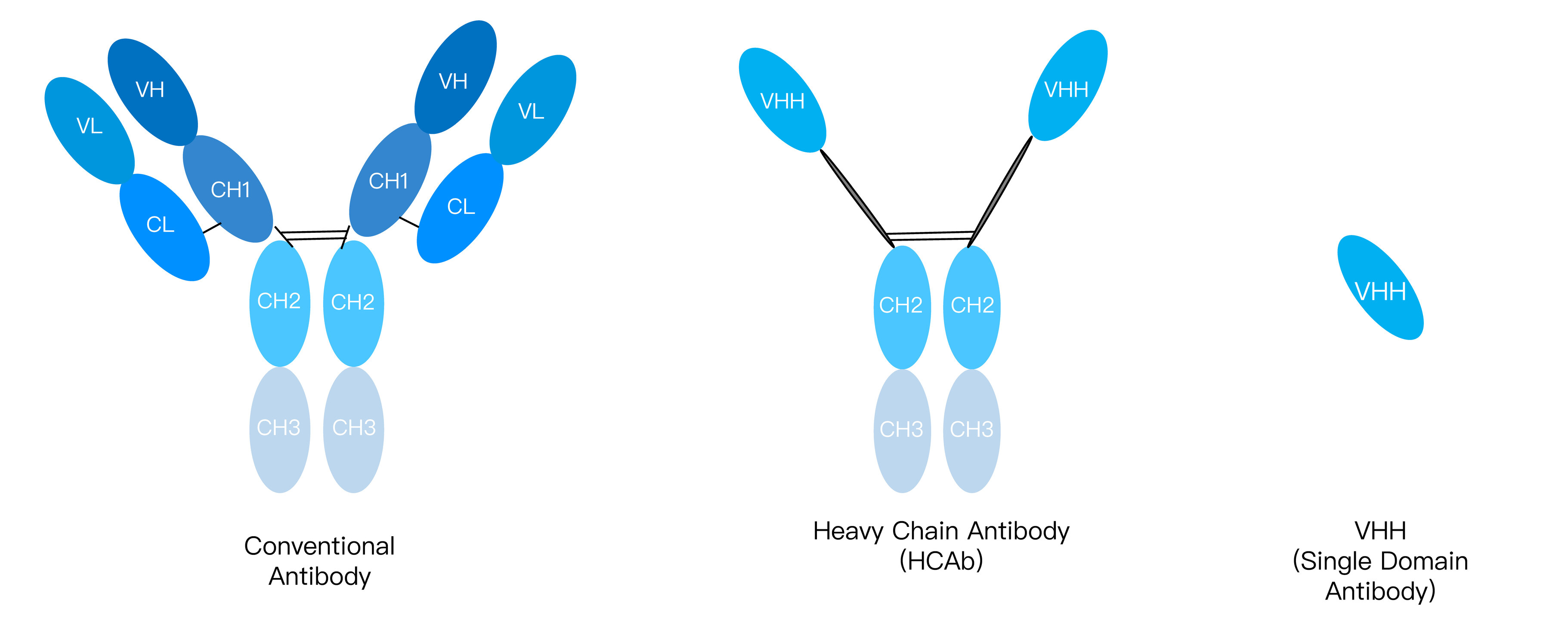
Recombinant Antibody and Protein Expression and PurificationRecombinant protein technology is widely used in modern biotechnology because it allows researchers to produce specific biological molecules using engineered expression systems. Recombinant antibodies and proteins are valuable materials for pharmaceutical development, diagnostic research, laboratory investigations, and other biomedical applications. Choosing Appropriate Expression SystemsRecombinant expression involves introducing genetic information into a suitable biological host to produce a target protein. Different expression systems offer different advantages, and selection depends on the molecular structure, production requirements, and intended application. Factors such as expression yield, folding, solubility, and biological activity are important when evaluating the performance of an expression system. Appropriate process development helps researchers identify suitable conditions for producing the desired molecule. Purification and Quality ConsiderationsFollowing expression, the target protein generally needs to be separated from unwanted biological components. Purification methods help remove impurities and obtain biological material with characteristics appropriate for further research. The purification strategy depends on the properties of the target molecule and the requirements of the project. Coordinating expression and purification activities helps establish a more complete workflow for recombinant antibody and protein production. How These Biotechnology Platforms Support a Complete WorkflowThe different service platforms can contribute to separate but connected stages of a biotechnology project. Understanding how they work together helps organizations plan development activities more effectively. A typical antibody development project may begin with target identification and antibody discovery. After suitable candidates have been identified, antibody engineering can help refine their molecular properties. Researchers can then select an appropriate production strategy based on the characteristics of the candidate and the project's objectives. Stable cell line development or strain engineering may be used to establish a suitable biological production system. Recombinant expression and purification can then provide the required biological materials for further evaluation. Throughout the process, communication, technical assessment, and appropriate quality considerations remain important. A coordinated workflow can help research teams understand the requirements of each stage and make more informed decisions as development progresses. Integrity, Innovation, and Excellence at the Center of ResearchScientific expertise is essential for biotechnology development, but the principles guiding a service provider also influence the quality of its professional relationships. Integrity, innovation, and excellence are important values that support responsible research collaboration and continuous improvement. Integrity Through Professional ResponsibilityIntegrity means maintaining honesty, transparency, and accountability throughout professional activities. Clear communication and a responsible approach to project requirements help create productive relationships between biotechnology service providers and their clients. Innovation Through Continuous Technological AdvancementNew scientific discoveries and laboratory technologies continue to transform the biotechnology industry. Continuous technological innovation helps organizations improve established processes, strengthen technical capabilities, and explore approaches that address emerging research requirements. Ongoing innovation is particularly important in antibody engineering, cell line development, and recombinant protein production, where technological improvements can create new opportunities for research optimization. Excellence in Technical Service DeliveryExcellence involves maintaining a consistent focus on scientific quality, technical performance, and client expectations. Every stage of biological development requires careful execution and appropriate expertise. A commitment to improvement helps support reliable research activities and professional collaboration. Key Reasons to Consider Specialized Biotechnology ServicesFor pharmaceutical companies, biotechnology businesses, and research institutions, selecting an appropriate technical partner can influence how efficiently development activities are organized. Specialized service platforms offer several advantages for organizations working with complex biological molecules. Broad Scientific and Technical CapabilitiesAccess to multiple complementary platforms can support projects involving antibody discovery, molecular optimization, biological production, and protein purification. This range of capabilities is useful when research objectives extend across several development stages. Project-Oriented Technical ApproachesDifferent research projects require different strategies. Specialized expertise helps organizations consider the characteristics of their target molecules, production requirements, and intended applications when selecting appropriate development methods. Commitment to Long-Term InnovationContinuous technological development supports improvements in research methods and service capabilities. Working with an organization that values innovation can be beneficial when projects involve evolving scientific requirements. Support for Connected Development ActivitiesBiological research often requires coordination between discovery, engineering, and production. Complementary service platforms can help organizations manage these activities as connected parts of a broader development strategy. Building the Future of Biotechnology Through Specialized ExpertiseThe progress of modern biopharmaceutical research depends on reliable scientific platforms and the ability to connect different development activities. Antibody drug discovery helps identify promising therapeutic candidates, antibody engineering supports molecular optimization, and stable cell line development and strain engineering contribute to effective biological production systems. Recombinant antibody and protein expression and purification complete this process by supporting the production of biological materials for further research. By combining these essential capabilities with a commitment to integrity, innovation, and excellence, KMD Bioscience aims to provide valuable support for organizations pursuing advanced biotechnology research. Its focus on continuous technological advancement reflects the importance of adapting to industry developments and delivering solutions that address specific client requirements. Whether your organization is exploring antibody candidates, optimizing biological molecules, developing production cell lines, or requiring recombinant protein services, choosing a knowledgeable biotechnology partner is an important step. Visit the official KMD Bioscience website to explore its specialized platforms and discover how its scientific expertise and innovative approach can help support your next research and development initiative. |
2026-11-09 04:31:17 |
|---|