Story Details Back to all story
PEPTIDES FOR MUSCLE GROWTH AND PHYSICAL RECOVERY
| Story | Date | Understanding Research Peptides and Their Growing Role in Scientific Studies
Research what are peptides are gaining significant attention in scientific communities for their unique structures and potential applications in biological studies. These short chains of amino acids serve as crucial building blocks in biological processes, opening up new pathways for health and performance research. What Are Peptides and How Do They WorkPeptides are short chains of amino acids linked by peptide bonds. They are smaller than proteins, typically consisting of two to fifty amino acids. Because of their smaller size, peptides are often absorbed and utilized more readily by biological systems. In scientific literature, these compounds act as biological messengers. They signal cells to perform specific tasks, such as triggering protein synthesis, regulating hormones, or facilitating repair mechanisms. Understanding these fundamental signaling pathways provides crucial insights into cellular function and health maintenance. The Scope and Benefits of Peptides in Modern ResearchThe broad scope of peptide research spans multiple disciplines, including cellular repair, metabolic health, and tissue regeneration. Studying these molecular messengers offers a clear look into how biological systems adapt and repair. Primary benefits observed in ongoing peptide studies include:
By isolating specific peptide chains, researchers can evaluate how localized chemical signals influence overall systemic performance. Key Areas of Peptide ResearchPeptides for Tissue Repair and RecoveryOne of the most heavily researched areas involves peptides for tissue repair and peptides for recovery. In preclinical models, peptides like BPC157 and TB500 are studied for their potential to support tissue healing, tendon repair, and inflammatory response regulation. These findings highlight how specific peptide protocols can accelerate recovery timelines following strenuous activity or cellular stress. Peptides for Muscle Growth and Physical EnhancementIn structural and physiological studies, peptides for muscle growth play a vital role. Specific signaling peptides support growth hormone release and cellular repair mechanisms necessary for building lean muscle mass. Studying these mechanisms helps scientists understand muscle hypertrophy, cellular adaptation, and physical performance optimization. Weight Loss Peptides and Metabolic HealthMetabolic research has expanded rapidly with the development of weight loss peptides such as retatrutide peptide. Retatrutide peptide belongs to an advanced class of multi-receptor agonists that interact with metabolic pathways to regulate appetite, glucose control, and energy expenditure. Exploring these targeted pathways aids in understanding metabolic balance, body composition management, and weight regulation. Peptide Therapy and Biohacking SupplementsThe concept of peptide therapy centers on administering targeted amino acid chains to support optimal biological function. As scientific interest grows, peptides are becoming central to modern biohacking supplements and wellness strategies. Researchers and enthusiasts explore these tools to optimize cellular performance, longevity, and vital recovery pathways. While traditional peptide supplements aim to provide general wellness benefits, research-grade compounds offer the precision needed to study specific physiological responses under controlled conditions.
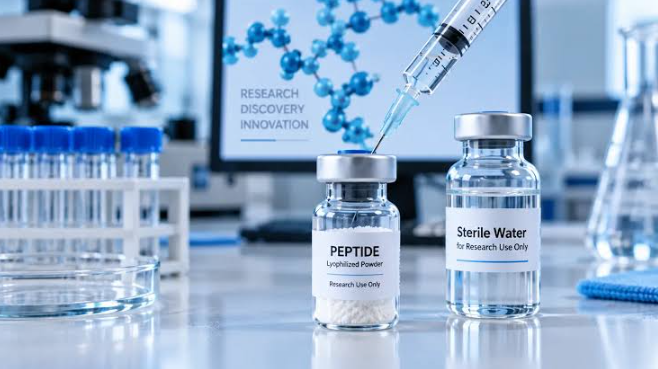
How to Reconstitute Peptides SafelyProper handling is necessary to maintain the structural integrity and purity of research compounds. Most laboratory peptides are supplied as lyophilized (freeze-dried) powders to ensure long-term stability. Understanding how to reconstitute peptides requires adherence to precise laboratory guidelines:
ConclusionResearch benefits of peptides represent a dynamic and promising field in scientific discovery, offering profound insights into cellular signaling, metabolic regulation, tissue recovery, and physical performance. From understanding what are peptides to exploring advanced compounds like retatrutide peptide, current research continues to unlock new possibilities for biological optimization. Maintaining strict handling practices, such as proper reconstitution and storage, ensures product purity and reliable outcomes. As peptide therapy and biohacking science evolve, high-purity research compounds will remain essential tools for future scientific breakthroughs. |
2026-10-08 15:03:24 |
|---|