Story Details Back to all story
ChinaMoneypro UAV: Advanced Aerial Platforms, Propulsion and Connected Technology
| Story | Date | ChinaMoneypro UAV: Advanced Aerial Platforms, Propulsion and Connected TechnologyAdvanced aerial technology is evolving through the combination of sophisticated platforms, efficient propulsion, intelligent payloads, reliable communication, and accurate sensing equipment. Instead of viewing these technologies as separate components, modern engineering increasingly connects them into coordinated systems designed around specific technical requirements. This integrated approach is becoming an important part of research, development, and manufacturing in the aerial technology sector. With an established background originating from a prestigious state-owned research institute, ChinaMoneypro UAV brings together research experience and engineering capabilities across several important areas. Its technology portfolio covers aerial platforms, engines, gimbals, radar, data links, and communication technologies, providing a broad foundation for organizations seeking integrated solutions. Engineering the Foundation of Modern Aerial PlatformsAn aerial platform requires more than a suitable airframe. Its overall architecture must accommodate propulsion, power systems, payloads, communication equipment, and other technologies while maintaining compatibility between the different components. Careful engineering at the platform level can therefore influence how effectively the complete system performs. ChinaMoneypro UAV focuses on system development that brings these different technical areas together. This approach allows platform architecture to be considered alongside the equipment that will eventually operate within it, creating a more coordinated pathway from initial design through manufacturing and system integration. Platform Design and System CompatibilityEvery aerial project can have different requirements. Some applications may prioritize sensing equipment, while others may require extended communication capabilities, specialized payload integration, or a particular propulsion configuration. Designing the platform with these requirements in mind can make the resulting system more adaptable. Integrated engineering also helps address practical considerations such as available power, equipment placement, structural requirements, data connectivity, and communication interfaces. These factors can be evaluated together rather than treated as isolated engineering challenges. Propulsion Technology as a Core ComponentPropulsion is one of the fundamental elements of any aerial platform. Engine selection and integration can affect the architecture of the aircraft, including available power, payload considerations, operating characteristics, and overall system design. By including engine technology within its wider engineering portfolio, the company can approach propulsion as part of the complete aerial architecture. This creates an opportunity to coordinate propulsion requirements with platform design and supporting technologies during the development process. Connecting Propulsion With Platform RequirementsA properly selected propulsion system needs to work alongside the platform rather than simply being added after the primary design has been completed. Engineers can evaluate factors such as platform configuration, power requirements, equipment integration, and intended operating conditions when considering the propulsion architecture. This system-oriented methodology can support more coherent development and help reduce unnecessary conflicts between individual components during later integration stages. Payload Integration for Specialized ApplicationsPayload technology can significantly expand the capabilities of an aerial platform. Cameras, stabilized gimbals, radar equipment, and other sensing technologies can provide different forms of information depending on the requirements of a particular project. Gimbal technology is especially important where stabilized equipment is required. A well-integrated gimbal can support the positioning and operation of sensing equipment while remaining connected to the wider platform architecture. Radar and other sensing technologies can likewise be incorporated according to the intended technical configuration. 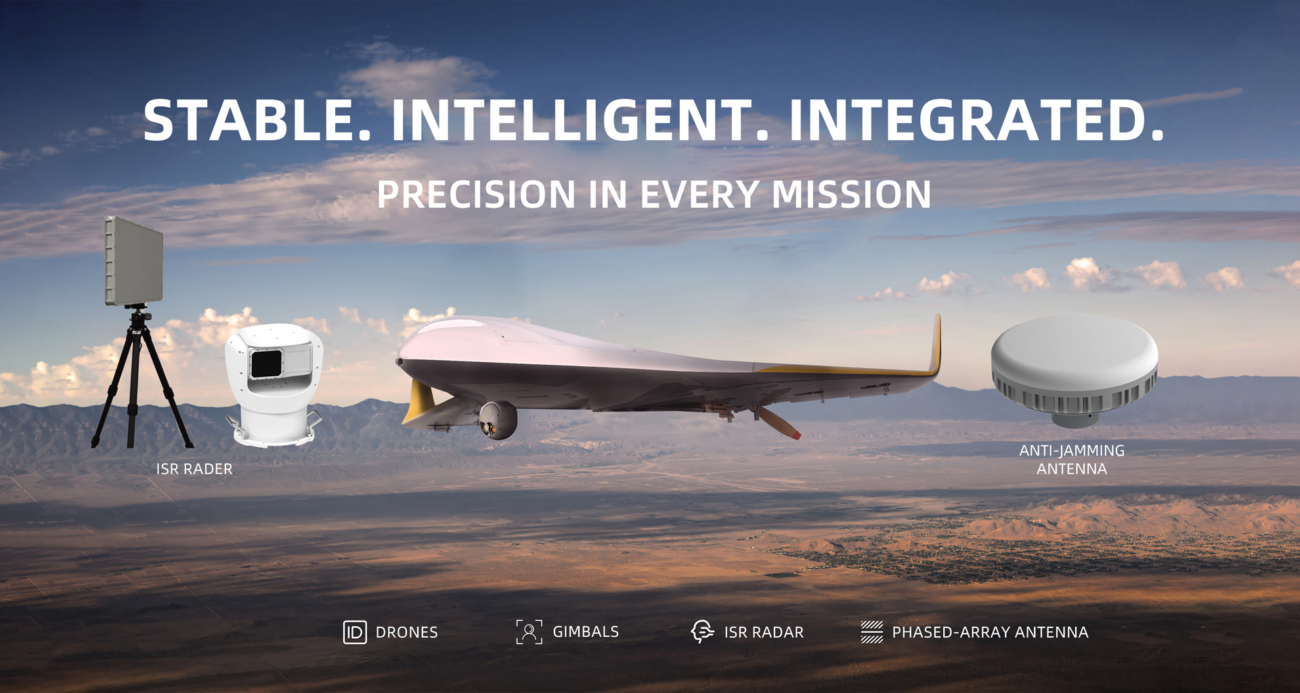
Communication and Data ConnectivityModern aerial systems generate and depend on significant amounts of information. Reliable communication infrastructure is therefore essential for connecting onboard equipment with external systems. Data links can provide an important pathway for transferring information, coordinating equipment, and supporting system-level functionality. Communication technology becomes even more valuable when it is designed alongside sensing and platform requirements. Instead of treating connectivity as an independent feature, an integrated development process can consider how communication equipment interacts with payloads, data systems, and the overall aerial platform. Building a Connected Technology ArchitectureA connected aerial system may combine sensing equipment, data links, communication components, and platform electronics into one coordinated architecture. Engineers can evaluate how these elements exchange information and how the system can accommodate future technology upgrades. This approach can make the technology more flexible while providing a clearer framework for integrating new components as project requirements develop. From Research and Development to ManufacturingStrong research capabilities are important for discovering new technologies, but successful engineering also requires a practical path toward manufacturing. A technology concept must be evaluated, developed, tested, refined, and eventually transformed into a product or integrated system. The company's background combines research-oriented engineering with manufacturing capabilities. This creates a development environment where technical concepts can be considered from both an innovation and production perspective. Such a combination can be useful for projects that require customized engineering and system-level development. How an Integrated Development Process WorksA typical project can begin by identifying the required aerial platform capabilities and defining the technologies needed to support them. Engineers can then consider the platform architecture, propulsion, payload equipment, sensing technologies, data links, and communication requirements as connected elements. Once the core architecture has been established, individual components can be evaluated for compatibility and integration. Testing can then focus on how the different subsystems operate together rather than examining each component only in isolation. This methodology provides a structured pathway from technical requirements to an integrated aerial solution. It also creates opportunities to identify potential compatibility issues earlier in the development process. Why Technology Buyers Consider Integrated SolutionsOrganizations evaluating aerial technology often need more than a single component supplier. When a project involves platforms, engines, sensing equipment, radar, communication technologies, and data links, coordinating several independent providers can introduce additional technical complexity. An integrated technology partner can provide a broader engineering perspective across these areas. This can simplify communication between different development stages and make it easier to consider the complete architecture when planning a project. For organizations exploring advanced aerial technology, ChinaMoneypro UAV offers a broad combination of research, engineering, manufacturing, and system integration capabilities. Its portfolio is designed around the connection between aerial platforms and the technologies that make them useful in demanding technical environments. Experience Across Multiple Technology AreasThe combination of platform engineering, propulsion, gimbal systems, radar, data links, and communications provides a diverse technical foundation. Rather than focusing on only one stage of development, the company can approach aerial projects through multiple engineering disciplines. This broad capability can be particularly relevant for organizations seeking coordinated development and looking to build systems where hardware, sensing, and connectivity need to operate as a unified technical solution. Creating the Next Generation of Connected Aerial TechnologyThe development of aerial systems is moving toward greater integration, where platform engineering, propulsion, sensing, and communications are designed to complement one another. This direction creates new opportunities for organizations that require flexible, connected, and technically coordinated solutions. With its research heritage, manufacturing capabilities, and broad portfolio of aerial technologies, ChinaMoneypro UAV provides a strong foundation for exploring integrated platform development. From engines and gimbals to radar, data links, and communication systems, its approach brings multiple engineering disciplines together under one technology framework. For companies and technology teams seeking a capable partner for advanced aerial development, visiting the official platform and exploring its available engineering capabilities is a practical way to discover how an integrated approach can support future projects. |
2026-09-27 09:09:12 |
|---|