Story Details Back to all story
Custom Precision Ceramic Parts for High-Performance Industrial Manufacturing
| Story | Date | Custom Precision Ceramic Parts for High-Performance Industrial ManufacturingIndustrial machinery often requires components that can perform consistently under demanding operating conditions. Heat, friction, pressure, chemical exposure, repeated movement, and continuous operation can place significant demands on individual parts. Precision ceramics provide useful characteristics for many specialized applications, particularly where dimensional accuracy, wear resistance, chemical stability, and dependable performance are important. With appropriate engineering and manufacturing processes, ceramic components can be developed to meet the specific requirements of pumps, machinery, fluid-handling systems, and other industrial equipment. Custom OEM manufacturing provides an effective way to obtain components that are not readily available as standard products. A business may have a complete technical drawing, an existing sample, basic measurements, or simply an idea for a new component. A professional manufacturer can review the available information, clarify important specifications, prepare an accurate quotation, and develop the component according to the agreed requirements. For businesses seeking this type of service, JuchangCeramic precision ceramic parts Manufacturer provides professional solutions for precision ceramic parts, pumps, and custom components. The Role of Precision Ceramic Components in IndustryTechnical ceramic materials can provide a combination of properties that makes them useful for specialized industrial applications. Depending on the selected material and design, ceramic parts may provide strong resistance to wear, chemical exposure, temperature, and electrical conditions. These characteristics can make them suitable for equipment where conventional materials may not provide the desired performance. However, the success of a ceramic component depends on more than the material itself. Geometry, dimensions, tolerances, surface requirements, operating conditions, and equipment compatibility all need to be considered. Custom manufacturing allows these factors to be evaluated together so that the finished component is designed around its intended application. Application-Focused Component DesignBefore production begins, it is important to understand how a component will be used. Working temperature, operating pressure, fluid characteristics, mechanical loads, movement, friction, and expected service conditions can influence the manufacturing requirements. Providing this information early in the process helps establish realistic specifications and allows the manufacturer to evaluate the project more effectively. It also creates a clearer foundation for quotation and production planning. 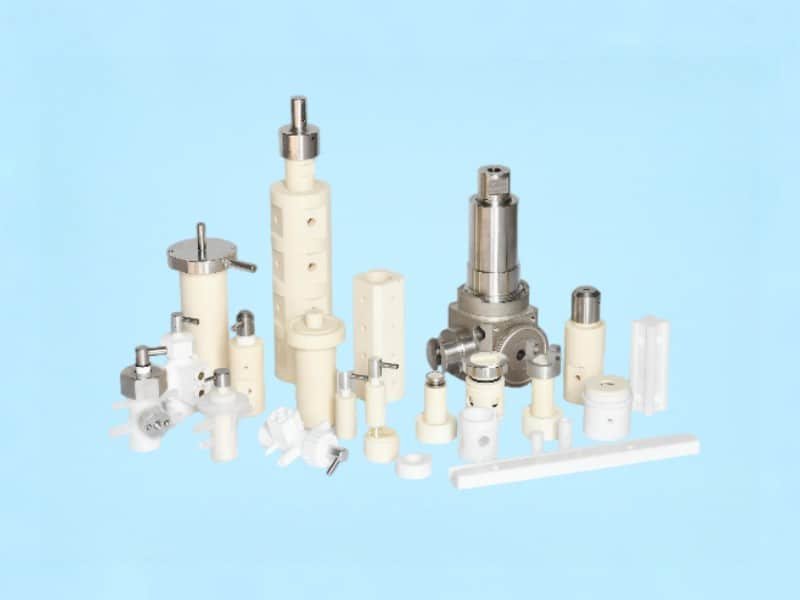
Flexible OEM Manufacturing for Custom RequirementsOEM manufacturing gives businesses the ability to source components according to their own product and equipment specifications. This can be particularly valuable when a standard catalog component does not provide the required dimensions, configuration, or material characteristics. Customers with complete engineering drawings can submit detailed specifications for review. Drawings can provide information about component geometry, dimensions, tolerances, and other technical requirements. This information can then be used to establish an appropriate manufacturing plan. Starting With an Idea or Existing SampleA finished engineering drawing is not always necessary at the beginning of a project. Some customers may have an existing ceramic component that needs to be reproduced, a physical sample, basic measurements, reference photographs, or an idea describing the desired function. By explaining the intended application and providing the available technical information, customers can begin a discussion about the appropriate manufacturing solution. This flexible approach can be especially useful for product development, equipment upgrades, and specialized industrial projects. Important Advantages of Precision Ceramic PartsProperly selected ceramic materials can provide several benefits in demanding applications. The exact properties depend on the material, design, and operating environment, so component requirements should always be evaluated individually. Excellent Resistance to WearMechanical components exposed to continuous friction or repeated movement can experience gradual wear. Certain technical ceramics provide strong resistance to abrasion and wear, which can make them suitable for applications where maintaining dimensional stability is important. Resistance to Chemical ExposureIndustrial equipment may come into contact with aggressive fluids or chemicals. Depending on the ceramic composition, ceramic components can provide useful resistance to chemical environments. This characteristic can be important when designing components for specialized fluid-handling or processing systems. Thermal PerformanceSome technical ceramic materials can maintain important properties under elevated temperatures. For equipment operating in thermally demanding environments, selecting an appropriate ceramic material can therefore be an important part of component development. Accurate DimensionsPrecision is essential when a ceramic part needs to fit into a larger mechanical assembly. Manufacturing according to defined dimensions and tolerances helps ensure that the finished component can integrate correctly with related equipment. Custom Ceramic Pumps and Industrial ComponentsPumps and fluid-handling systems can expose components to continuous mechanical operation, pressure, temperature changes, and contact with different fluids. Components used in these systems therefore need to be developed with the complete operating environment in mind. Custom ceramic manufacturing provides an opportunity to develop pump-related components according to the specific configuration of the equipment. Important considerations can include working fluid, pressure, temperature, operating frequency, dimensions, geometry, and expected service conditions. Matching Components to Their Operating EnvironmentA ceramic component suitable for one pumping system may not automatically be suitable for another. Differences in fluid characteristics, pressure, temperature, movement, and equipment design can change the required specifications. For this reason, customers should provide as much relevant application information as possible. Clear technical communication helps the manufacturing process remain focused on the actual requirements of the finished product. How the Custom Manufacturing Process WorksThe manufacturing process begins with gathering the customer's available information. Depending on the project, this may include technical drawings, CAD files, dimensions, samples, photographs, material preferences, quantities, and application details. Requirement EvaluationThe available information is reviewed to understand the required component geometry, dimensions, tolerances, material characteristics, production quantity, and operating environment. Missing or unclear specifications can be addressed before production planning. Quotation and PlanningAfter the requirements have been established, the project can be evaluated for manufacturing. An accurate quotation can be prepared based on the specifications and production requirements, giving customers a clear understanding of the project before moving forward. Production and Quality InspectionOnce the technical details are confirmed, manufacturing can proceed according to the agreed specifications. Quality-control checks help verify the finished components against applicable dimensional and technical requirements. Delivery and IntegrationFollowing production and inspection, the completed ceramic components can be prepared for delivery. Customers can then integrate the parts into their machinery, pumps, assemblies, prototypes, or ongoing production systems. Why Businesses Choose Custom OEM Ceramic ManufacturingCustom OEM production gives businesses greater flexibility when standard components cannot meet their needs. Instead of modifying an equipment design around an available product, customers can work toward a component developed around the actual requirements of their system. This approach can also support different types of projects. A company may require a prototype for product development, a replacement part for existing machinery, a specialized pump component, or repeated production for an established product. A structured manufacturing process can accommodate these different requirements when specifications are clearly defined. Direct communication with a specialized manufacturer also helps customers discuss technical requirements before production. This can make quotation, planning, and manufacturing more efficient while reducing uncertainty about the final product. Bring Your Ceramic Component Requirements to ProductionPrecision ceramic manufacturing combines material selection, application analysis, accurate engineering, specialized production, and quality inspection. Each stage contributes to creating components that are suitable for their intended industrial applications. Whether you have complete technical drawings, an existing sample, or only an initial idea, professional OEM manufacturing can provide a practical path toward a finished ceramic component. Accurate quotation and reliable production help transform technical requirements into products that can be integrated into demanding equipment and systems. If your project requires precision ceramic parts, custom ceramic pumps, or specialized industrial components, choose a manufacturing process built around your specifications. Submit your drawings, samples, or project concept today and take the next step toward a professionally manufactured ceramic solution designed for your application. |
2026-09-26 13:43:38 |
|---|