Story Details Back to all story
Choosing the Right E-Scooter Battery Charger for Reliable Daily Charging
| Story | Date | Choosing the Right E-Scooter Battery Charger for Reliable Daily ChargingElectric scooters are increasingly used for commuting, personal transportation, campus travel, delivery services, and other short-distance journeys. Because an e-scooter depends on rechargeable battery power, having appropriate charging equipment is essential for keeping the vehicle ready for use. A charger is not simply an accessory; it is an important component of the overall battery system. Selecting the correct model requires attention to electrical specifications, battery chemistry, connector design, and the intended application. OHRIJA, a brand belonging to Dongguan Hengruihong Technology Co., Ltd., provides charging and power-supply products for a variety of battery-powered applications. Established in 2020 and headquartered in Dongguan, Guangdong Province, China, the company is a high-tech enterprise integrating R&D, production, and sales. Its product portfolio includes lithium battery chargers, lithium iron phosphate battery chargers, lead-acid battery chargers, golf cart chargers, power adapters, switching power supplies, and other related products. 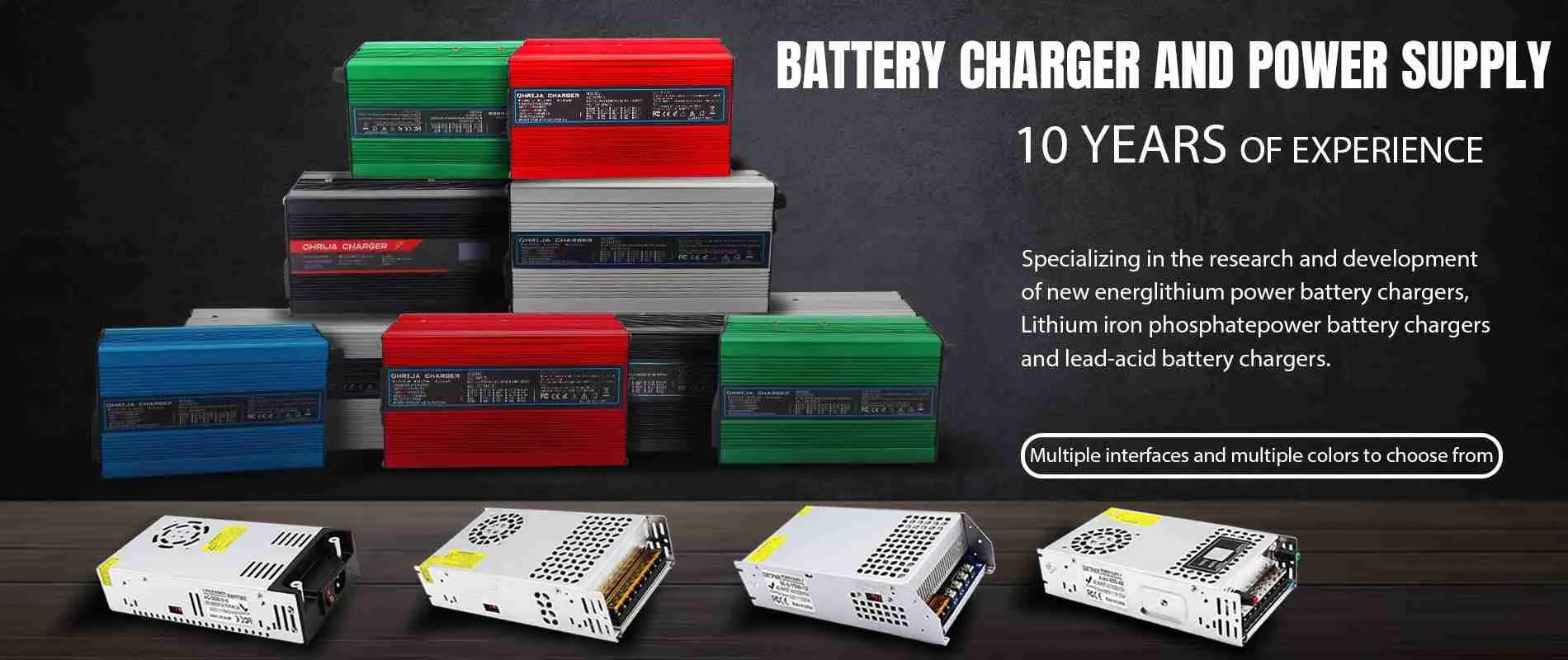
Why the Charger Is Important for an Electric ScooterThe rechargeable battery is one of the most important components of an electric scooter, and the charger provides the electrical energy needed to replenish it. Different battery systems are manufactured with specific charging requirements, meaning that a charger must be properly matched to the battery it is intended to serve. Before purchasing replacement charging equipment, users should review the information supplied with their scooter or battery. Important specifications can include nominal battery voltage, charger output voltage, charging current, battery chemistry, connector type, and polarity. Considering these factors helps customers narrow down suitable options and avoid selecting equipment based only on appearance or connector shape. For users researching a Battery charger for e scooter, checking these technical details first is an important part of making an informed purchasing decision. A suitable charger should correspond to the requirements of the particular battery system and application. Essential Features to ConsiderCorrect Output VoltageOutput voltage is a critical specification when choosing a charger. The charger's output must be appropriate for the battery system. Users should compare the rating printed on the original charger with the specifications provided by the scooter or battery manufacturer. If the required voltage is unclear, it is better to confirm the information before connecting replacement equipment. Suitable Charging CurrentCharging current determines how much current the charger can provide to the battery during charging. Different battery packs have different charging requirements, so customers should select equipment according to the battery manufacturer's specifications rather than simply choosing the highest available current rating. Battery Chemistry CompatibilityBattery chemistry affects the charging method. Lithium battery systems, lithium iron phosphate batteries, and lead-acid batteries have different charging characteristics. For this reason, charger selection should take battery chemistry into account. A charger designed for one type of battery should not automatically be assumed to be suitable for another technology. Connector and PolarityPhysical compatibility is also important. The charging connector needs to correspond with the scooter's charging port, including its dimensions and configuration. Polarity should also be checked carefully. These details are particularly important when replacing a lost, worn, or damaged original charger. How an E-Scooter Charger WorksA charger converts electrical energy from an AC power source into DC power suitable for the connected battery system. Electronic components inside the charger regulate the electrical output according to the charger's intended design. The charging process can involve controlled current and voltage regulation as the battery progresses through its charging cycle. The precise charging profile depends on the battery technology. Lithium-based systems and lead-acid batteries, for example, use different charging approaches. This is one reason that selecting equipment specifically suited to the battery chemistry is essential when purchasing charging products. How to Use an E-Scooter ChargerCheck the Charger Before UseBefore connecting a charger, inspect the cable, plug, connector, and housing for visible signs of damage. Confirm that the charger's electrical specifications correspond with the battery system. If the charger shows physical damage or the specifications cannot be verified, users should consult the appropriate manufacturer or qualified service professional before use. Create a Suitable Charging EnvironmentCharging equipment should be used in a clean, dry, and adequately ventilated environment. The charger should not be covered by clothing, bags, or other objects that could interfere with heat dissipation. Keeping the charging area organized also helps users inspect the cable and connector regularly. Follow the Recommended Charging ProcedureUsers should follow the connection, charging, and disconnection instructions supplied with their scooter and charger. Avoid modifying connectors or cables to make an incompatible charger fit. Once charging is complete, disconnect the equipment according to the manufacturer's recommended procedure and store it safely until the next use. Benefits of a Properly Matched Charging SolutionConvenient Everyday ChargingFor people who depend on an electric scooter regularly, a suitable charger makes it easier to maintain a consistent charging routine. Commuters can recharge after daily travel, while businesses and delivery operators can incorporate charging into their operating schedules. Support for Multiple Battery TechnologiesBattery applications vary considerably. Having access to chargers designed for different technologies gives customers greater flexibility when sourcing power equipment. Lithium battery chargers, lithium iron phosphate chargers, and lead-acid chargers address different charging requirements and should be selected according to the relevant battery system. Application-Focused Power SolutionsA charger is only one part of the power-supply market. Customers may also require power adapters, switching power supplies, or chargers for other electric vehicles and battery-powered equipment. A manufacturer with a broader product portfolio can provide solutions across several related applications. Why Choose OHRIJA Charging Products?OHRIJA is supported by Dongguan Hengruihong Technology Co., Ltd., a company that integrates R&D, manufacturing, and sales. Since its establishment in 2020, the company has focused on developing and producing charging and power-supply products for different requirements. Its product range covers several major categories, including lithium battery chargers, lithium iron phosphate battery chargers, lead-acid battery chargers, golf cart chargers, power adapters, and switching power supplies. This broad portfolio allows customers to consider charging solutions based on the technology and application they actually need. Focused on Different Power RequirementsCustomers selecting charging equipment can evaluate products according to their battery voltage, charging current, chemistry, connector configuration, and intended use. This application-focused approach is useful for both individual buyers looking for replacement equipment and businesses sourcing products for battery-powered applications. Tips for Selecting the Right ChargerA good purchasing process starts with accurate battery information. First, identify the battery chemistry and nominal voltage. Next, check the recommended charging voltage and current. Then verify the connector, polarity, and input requirements. Comparing these specifications with the proposed charger can help customers determine whether the product is appropriate for their particular scooter. Customers should also consider the manufacturer's product range and technical experience. A supplier offering several types of battery chargers may be better positioned to address different application requirements than a source focused on a single charging category. For buyers seeking dependable power solutions, reviewing the available OHRIJA products can be a practical next step. ConclusionThe right charger can make everyday e-scooter ownership more convenient by providing charging equipment that corresponds to the battery's electrical and chemical requirements. Voltage, current, battery chemistry, connector configuration, and operating instructions should all be considered before purchasing a replacement or new charger. OHRIJA offers a broad selection of charging and power-supply products through Dongguan Hengruihong Technology Co., Ltd., covering lithium, lithium iron phosphate, and lead-acid battery applications as well as golf carts, power adapters, and switching power supplies. If you are sourcing a Battery charger for e scooter, explore OHRIJA's product range and compare the technical specifications with your battery requirements to identify a suitable charging solution for your application. |
2026-09-24 16:52:02 |
|---|