Story Details Back to all story
Caregiver Resources & Guides | Care Dementia Tracker
| Story | Date | A Smarter Way to Simplify Dementia Care for Families and Care Teams
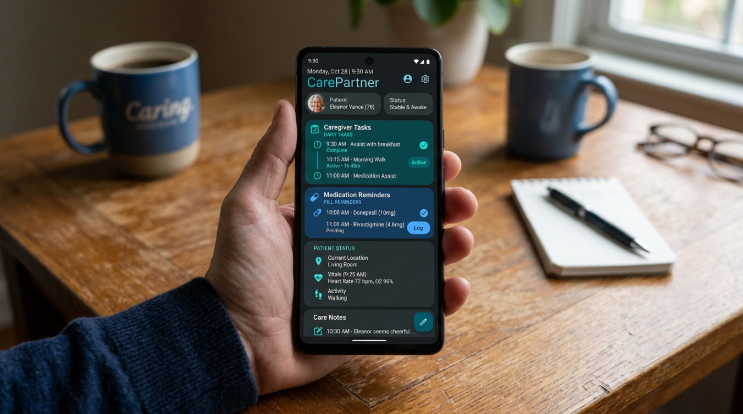
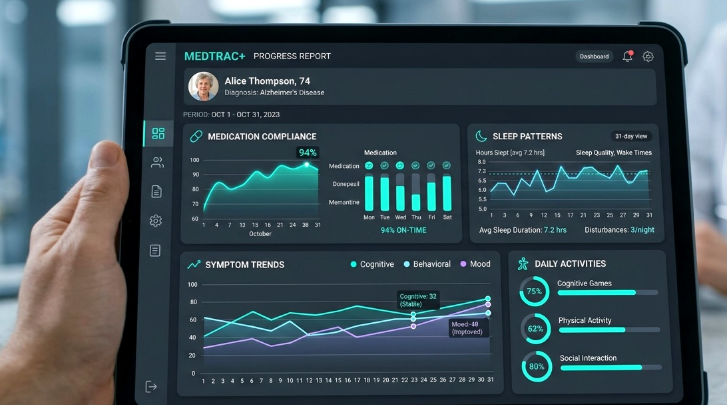
Caring for a person living with Dementia Care App for Multiple Caregivers can involve many people, responsibilities, appointments, medications, daily observations, and changes in behavior. When several family members or professional caregivers share these responsibilities, keeping everyone informed can become difficult. A reliable digital care system can make this process more organized. The right dementia caregiver app can help families record important information, communicate about daily care, coordinate responsibilities, and prepare useful updates for healthcare professionals. Care Dementia Tracker is designed around these practical challenges. Its collection of simple guides, app comparisons, shift handoff templates, doctor progress report builders, and multi caregiver strategies can help families build a more organized approach to dementia care. Why Families Need Better Dementia Care CoordinationDementia care rarely involves just one task or one caregiver. A family may need to coordinate medication reminders, meals, appointments, personal care, sleep patterns, mood changes, activities, and communication with doctors. When information is scattered across text messages, notebooks, phone calls, and different apps, important details can easily be missed. A shared care system gives caregivers a central place to organize information and maintain continuity between shifts and family members. This is particularly valuable when siblings, spouses, relatives, and professional caregivers are all involved in supporting the same person. Dementia Care App for Multiple CaregiversA dementia care app for multiple caregivers can make shared caregiving easier by giving the care team a consistent way to document and communicate important information. Instead of asking each caregiver what happened during the previous shift, family members can use shared records and care notes to understand what has already been completed and what may require attention. This approach can help reduce repeated questions, improve communication, and create a clearer picture of daily care. For families managing dementia together, organized information can be especially helpful when caregivers have different schedules or live in different locations. App to Share Dementia Care Notes with FamilyFamily caregivers often need to share observations about changes in mood, sleep, appetite, activities, medication routines, and other aspects of daily life. An app to share dementia care notes with family can provide a more structured alternative to relying entirely on group messages or handwritten notes. Shared notes can help family members understand what happened during the day and identify information that may be useful for future discussions with a healthcare professional. The goal is not to replace professional medical advice. Instead, organized care information can help families communicate more clearly with doctors and other qualified professionals. Shared Caregiver Log App for Family MembersA shared caregiver log app for family members can be useful when several people participate in everyday care. A well organized caregiver log can help document activities such as meals, personal care, medication related observations, appointments, sleep, behavior, and other relevant events. Keeping consistent records may also help caregivers notice patterns over time. For example, if a family repeatedly notices changes in behavior around a particular time of day, having organized records can make that pattern easier to discuss with a healthcare professional. Caregiver Shift Handoff AppChanging caregivers can create communication gaps. A caregiver shift handoff app can help make transitions more organized by allowing one caregiver to communicate relevant information to the next person responsible for care. A useful handoff may include what happened during the previous shift, important observations, tasks completed, upcoming appointments, and matters that require attention. This can be particularly useful for families who share care responsibilities with professional caregivers. Dementia Medication Tracker App for FamiliesMedication management can be an important part of dementia care, but families should always follow the instructions provided by the appropriate healthcare professional. A dementia medication tracker app for families can help organize medication related information and observations in one place. Families can use structured records to support communication about medication routines and possible changes they observe. However, a tracking app should not be treated as a substitute for medical advice. Questions about medication, dosage, side effects, or changes to treatment should be directed to a qualified healthcare professional. Dementia Behavior Tracking AppChanges in behavior can sometimes be difficult for families to describe accurately during a medical appointment. A dementia behavior tracking app can help caregivers maintain records of relevant observations over time. Caregivers may want to document changes in mood, confusion, agitation, sleep, communication, appetite, activities, or other behaviors that are important to the person's care. Consistent documentation can give families a clearer history to discuss with healthcare professionals. App for Family Caregivers to Coordinate a Care ScheduleWhen multiple people share dementia care, scheduling can become complicated. An app for family caregivers to coordinate a care schedule can help families organize responsibilities and reduce uncertainty about who is handling particular tasks. This can be especially useful for families balancing work, personal responsibilities, appointments, and caregiving. A shared approach can also make it easier to identify gaps in coverage and discuss responsibilities before they become urgent problems. What Care Dementia Tracker OffersCare Dementia Tracker focuses on practical resources for people navigating dementia caregiving. The platform provides access to 37 simple guides, app comparisons, shift handoff templates, doctor progress report builders, and multi caregiver strategies. These resources are designed to help caregivers understand different approaches to organizing care rather than simply providing general information about dementia. Families can explore resources that address common coordination challenges, including documenting care, communicating between caregivers, preparing information for doctors, and managing responsibilities across multiple people. Why Practical Caregiving Resources MatterDementia caregiving is not only about understanding the condition. It is also about managing everyday responsibilities. Caregivers need practical systems that can help them organize information and communicate effectively. A resource focused on real caregiving situations can be more useful than information that remains purely theoretical. Care Dementia Tracker brings together practical guides and tools intended to help families approach these everyday challenges with greater organization. How These Tools Can Support Family CaregiversDigital caregiving resources can help families in several ways. They can make information easier to organize, provide a consistent place for care notes, support shift communication, help families prepare for doctor appointments, and make shared responsibilities easier to discuss. They can also help caregivers identify recurring patterns in their records that may be worth discussing with a healthcare professional. The purpose is to make caregiving information easier to manage so caregivers can spend less time trying to reconstruct what happened and more time focusing on the person they care for. Choosing the Right Dementia Care Resources
Every family has different caregiving circumstances. A family caring for a parent at home may need different tools from a family working with several professional caregivers. Before choosing a dementia care app or caregiver resource, consider whether it supports the type of coordination your family actually needs. Important considerations can include shared access, ease of use, care documentation, scheduling, handoff communication, symptom and behavior observations, appointment preparation, and privacy. The best solution is the one that fits naturally into the family's existing care routine. A More Organized Future for Dementia CareTechnology cannot remove every challenge associated with dementia caregiving, but it can make information management easier. When caregivers have a reliable way to document observations, communicate with family members, coordinate responsibilities, and prepare useful information for doctors, the overall care process can become more organized. Care Dementia Tracker brings these practical needs together through guides, comparisons, templates, progress report resources, and strategies designed for multi caregiver situations. ConclusionManaging App to Share Dementia Care Notes with Family several caregivers can be challenging, especially when important information is spread across conversations, notebooks, and different schedules. A structured digital approach can help families organize care notes, coordinate responsibilities, manage shift handoffs, track relevant observations, and communicate more effectively. |
2026-08-20 07:39:16 |
|---|